Fibreglass vs concrete pools: an honest comparison
Both are good pools, they just suit different priorities. Here is the honest comparison of fibreglass and concrete, including where concrete genuinely wins.
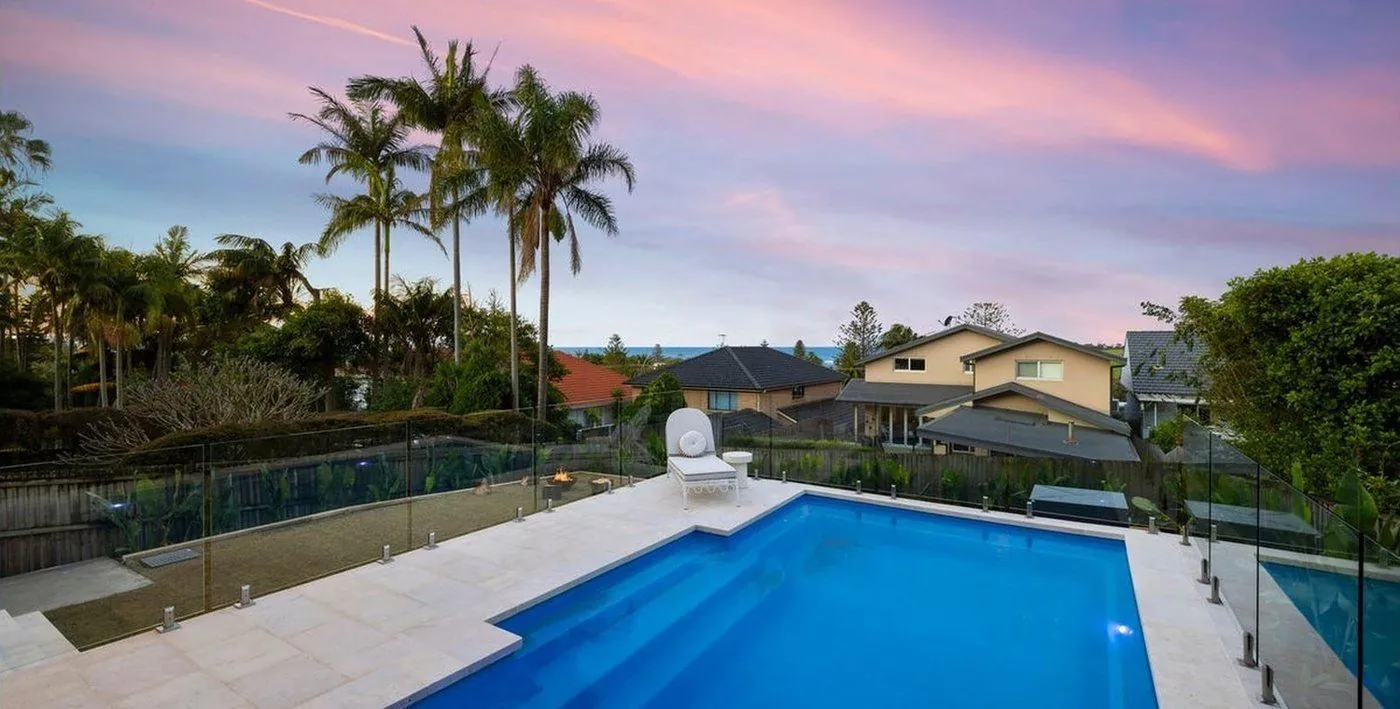
Fibreglass and concrete are the two main ways to build an in-ground pool in Australia. Both are good pools. They just suit different priorities. Here is the honest comparison, including where concrete genuinely wins.
Speed
Fibreglass wins comfortably. The shell is made in a factory and craned in, so a backyard is often swimmable in one to three weeks. A concrete pool is built in place and typically takes two to three months.
Cost
Fibreglass is usually cheaper, because the shell is made in a mould off a production line and installs faster with less labour. Concrete costs more and the price climbs quickly with size and custom detailing. See the full cost breakdown.
Maintenance and surface
Fibreglass has a smooth, non-porous gelcoat surface. Algae struggles to take hold, so you use fewer chemicals and do less scrubbing, and there is no liner to ever replace. Concrete is porous, needs more chemicals, and is usually resurfaced every 10 to 15 years.
Longevity and ground movement
A quality fibreglass shell is engineered to flex slightly with ground movement rather than crack, and carries a 25-year structural warranty. Concrete is rigid and extremely strong, but can crack if the ground shifts.
Running costs over the years
The price of the pool is only the start. What you spend each summer comes down to chemicals, power and upkeep, and this is where the surface matters most. A fibreglass gelcoat is non-porous, so algae has little to grip and the water chemistry stays steadier. Most owners find they use less chlorine and acid and spend less time brushing.
Concrete is porous. It tends to need more chemicals to keep the water balanced, a regular acid wash, and a full resurface every 10 to 15 years, which is a significant bill that fibreglass owners do not face. Pump and filter running costs are similar for both, and a variable speed pump like the one in our equipment packages is the biggest single saving on power either way.
Comfort, kids and heating
Fibreglass is smooth to touch. Kids can sit, stand and slide on the steps and benches all afternoon without grazed toes, which is one of the first things families notice. Concrete is usually finished in render, tile or pebble, and pebble in particular can be rough on feet.
Fibreglass also conducts heat less readily than concrete, so it tends to hold warmth a little better, where a concrete shell draws more of it into the surrounding soil. If you plan to heat the pool, that difference adds up over a season.
Salt and mineral water
Both suit salt and mineral chlorinators. Fibreglass handles them well because there is nothing in the gelcoat for the salt to work into. Our packages come with a self-cleaning mineral chlorinator with automatic pH control, so the water looks after itself most of the week.
Access to your backyard
This is the other place concrete can win. A fibreglass shell arrives in one piece on a truck and is lifted in, usually by crane over the house, so the crane needs to reach the backyard from the street. Most blocks are fine, and a crane can often go over the roof. A concrete pool arrives as materials, so a site with no crane reach at all can still get one. If you are unsure about your block, the delivery and crane access guide explains what to check, or we can look at it for you.
Supply only: the option concrete does not have
Because the shell is finished in the factory, fibreglass can be bought as a complete kit and installed by you or your own builder. That is how we sell most pools: the shell, the equipment that runs it and the engineering pack your certifier asks for, in one delivered price. A concrete pool is a build from the ground up, so it is always a pool builder's job and priced that way. If you are an owner-builder or already have a builder on site, supply only is usually the sharpest price on an in-ground pool.
Where concrete wins
Fair is fair. If you want a fully bespoke shape, an oversized or unusually deep pool, or features like a beach entry or a vanishing edge built exactly to a custom design, concrete gives you more freedom. Fibreglass comes in set moulds, though the modern range covers most shapes and sizes people actually want.
| Install time | Fibreglass: days to a few weeks. Concrete: two to three months. |
| Cost | Fibreglass: lower. Concrete: higher. |
| Maintenance | Fibreglass: low, non-porous. Concrete: higher, resurface every 10 to 15 years. |
| Customisation | Fibreglass: set moulds, wide range. Concrete: fully bespoke. |
| Ground movement | Fibreglass: flexes. Concrete: rigid, can crack. |
| Surface | Fibreglass: smooth gelcoat. Concrete: render, tile or pebble, can be rough. |
| Access | Fibreglass: needs crane or truck reach. Concrete: can go almost anywhere. |
| Supply only | Fibreglass: yes, as a complete kit. Concrete: builder only. |
For most Australian backyards, fibreglass gives you the best pool for the money with the least fuss. If you want something truly one-off, concrete is worth the extra. Not sure which suits your block? Our free site assessment will give you a straight answer.
Which should you choose?
- Choose fibreglass if you want a pool this summer, lower running costs, a smooth surface for the kids, and one of the shapes in a modern range. It is the value pick for most Australian backyards.
- Choose fibreglass supply only if you are an owner-builder or have a builder, and want the best price on an in-ground pool.
- Choose concrete if you need a one-off shape, a very large or very deep pool, a vanishing edge, or your backyard is completely unreachable by crane.
Still weighing it up? The Pool Finder shortlists the fibreglass shapes that fit your yard in four taps.
Common questions
Is fibreglass or concrete better?
For most backyards, fibreglass gives you a faster, cheaper, lower-maintenance pool with a smooth non-porous surface and no liner to replace. Concrete wins when you want a fully bespoke shape, an oversized pool or custom features, and you are happy to pay more and wait longer.
Do fibreglass pools crack?
A quality fibreglass shell is engineered to flex slightly with ground movement rather than crack, and carries a 25-year structural warranty. Concrete is rigid and can crack if the ground shifts.
Which lasts longer, fibreglass or concrete?
Both last decades. Fibreglass usually needs less upkeep over its life because the gelcoat is non-porous and there is no liner, whereas concrete generally needs resurfacing every 10 to 15 years.
Is a fibreglass pool cheaper than concrete?
Usually, yes. The shell is made in a factory mould and installs in days rather than months, so there is less labour. Fibreglass also avoids the acid washing and resurfacing a concrete pool needs over its life, which widens the gap over the years.
Can I install a fibreglass pool myself?
Yes, as an owner-builder with the right trades, or through your own builder. We supply the complete kit: the shell, the equipment and the engineering pack for your certifier. Excavation, plumbing and electrical connection are done by licensed trades.
Does a fibreglass pool need a crane?
Usually. The shell is lifted from the truck into the hole, often over the house. Most suburban blocks are fine. If there is no crane reach at all, that is one of the few cases where concrete makes more sense.
Which is better for a salt water pool?
Both work with salt. Fibreglass suits it well because the non-porous gelcoat gives the salt nothing to work into, and it pairs well with a mineral chlorinator.
Want a straight price on your yard?
Tell us where you are and the pool you like. We come back with a delivered price, no obligation. Not sure it fits? Book a free site assessment.
Get a quoteOr call Will on 0415 140 001